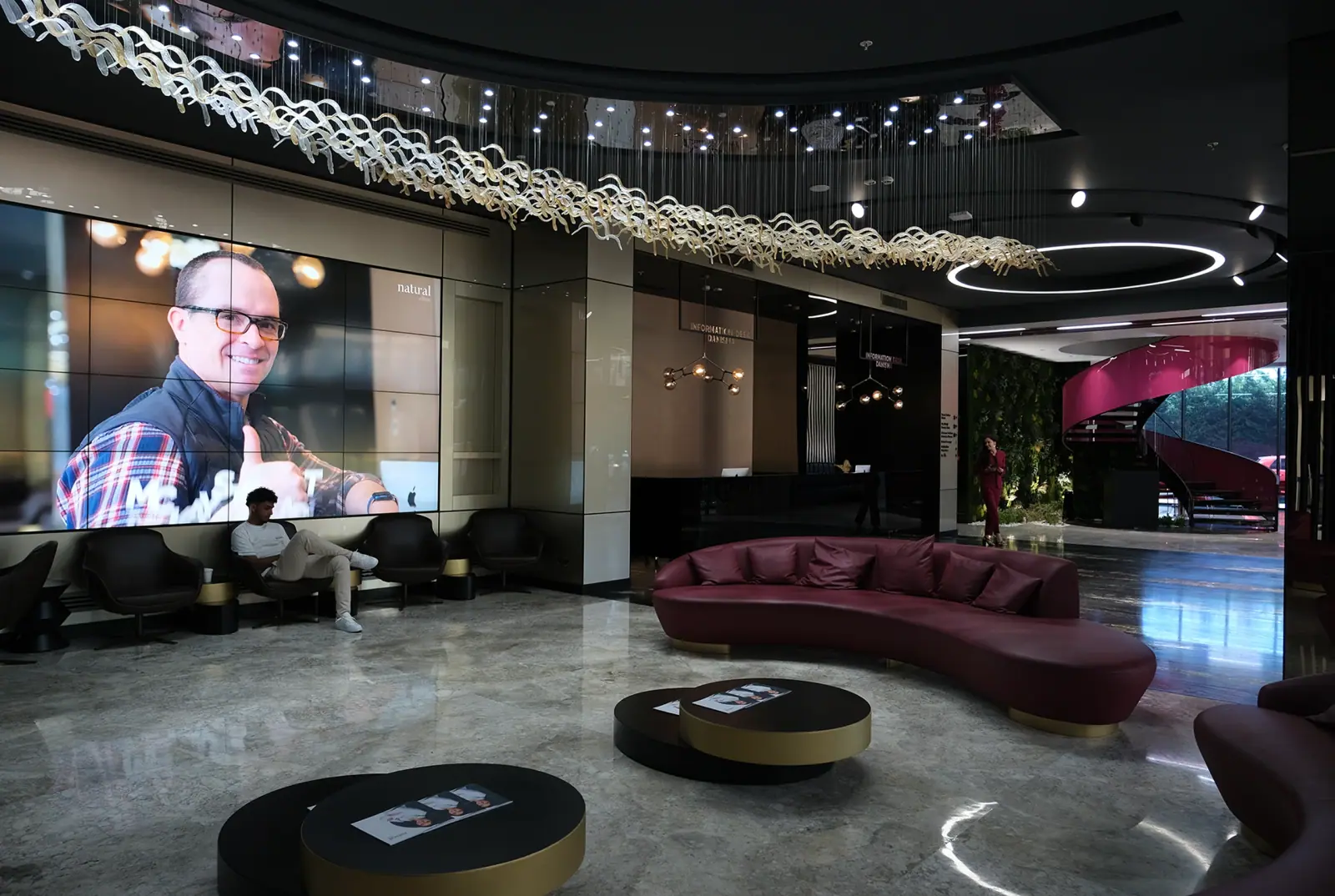
About Us
With a multidisciplinary specialty structure, we have been at your service since 2020.
Institutional information
Since its establishment, bringing together expert and experienced physicians, nurses and healthcare professionals with the most advanced technology has formed the foundation of Private Natural Clinic Medical Centre's quality management strategy.
Operating with a multidisciplinary branch structure since 2020, the Group represents Turkey's strong healthcare system on the international stage.
Private Natural Clinic Medical Centre continues to keep patient satisfaction at the highest level with the healthcare it provides, to serve as a model for Turkey in terms of infrastructure, and to remain one of Turkey's leading healthcare institutions.

To be among the leading institutions in the field by training reliable, warm, success-oriented employees who do not compromise on medical and ethical values, who place importance on effective communication, and who remain open to development; by valuing patient and employee safety, keeping the expectations of employees and patients at the highest level, aiming to provide effective and quality service with our expert staff, and providing sustainable healthcare services to our international guests within the scope of health tourism.
To be a reference healthcare institution that adopts our core values as principles, keeps pace with current developments through our experienced staff and modern technological infrastructure, and — successful, content, conscious, inquisitive, disciplined and a believer in teamwork, innovative and distinguished by its quality, focused on patient and employee satisfaction — delivers healthcare at international quality standards.
- Focused on Patient and Employee Safety,
- Respectful of patient rights,
- Believing in teamwork,
- Sensitive to society and the environment,
- Provision of healthcare services within the framework of core values,
- Efficient,
- Sustainable,
- Transparent,
- Lasting trust,
- A management system that can be continuously measured and evaluated,
- To ensure that every type of healthcare service provided at our institution is delivered with a quality that secures patient satisfaction.
- To keep patient and employee safety at the highest level throughout the entire medical centre.
- To increase the personal development of all our employees by ensuring their participation in training.
- To carry out activities aimed at increasing employee satisfaction by organising social events.
As Private Natural Clinic Medical Centre, drawing strength from our core values to realise our mission and vision, our aim is to continue preventive healthcare work with modern technology in line with national and international quality standards, and to ensure overall satisfaction by increasing trust in the institution. Our policy has been adopted as ”People First” and our slogan as ”Providing the Right Service”.
Quality policy is the commitment, formally declared by an organisation's senior management, to quality-related objectives and to continuously ensuring compliance with those objectives.
- To provide quality healthcare services with the modern technology required by contemporary medicine.
- To provide quality service in line with national and international patient safety objectives.
- To contribute to efforts that protect and improve public health.
- To ensure the satisfaction of patients, their relatives and employees, and to continuously increase their training.
- To ensure optimum financial performance.
- Not compromising on the requirements of the Quality Management System, and continuously increasing its effectiveness.
- To ensure continuous development.
- To successfully represent our country on the health tourism platform.
Private Natural Clinic Medical Centre, which aims to continuously improve service quality, embraces a continuous quality improvement management approach, and this management philosophy is reflected as an institutional philosophy across all areas of service.
To provide healthcare to the medical centre's clinical service areas that is equal, timely, ensures the safety of patients and employees, is focused on patient and employee satisfaction, follows and supports development and change through continuous training, sets and measures objectives, is supported by employees, and complies with quality standards and legislation.
Our Values;
- Embracing patient and employee safety as an institutional culture,
- Committed to ethical values,
- Adopting a fair, equal, and scientific approach,
- Working with a team spirit,
- Aiming for patient and employee satisfaction,
- Environmentally conscious and respectful through sustainable practices,
- Being effective, transparent, and reliable,
- Placing importance on the development of its employees and acting with a perfectionist approach, For the Medical Centre:
- First and foremost, to respect human rights.
- To provide services in line with patient and employee satisfaction and safety.
- To always support the development of the medical centre's employees.
- To provide the best healthcare in line with laws and regulations.
- To continuously improve our work and achieve the quality we aim for. For Our Employees:
- To increase the knowledge and skills of our employees, thereby creating a qualified workforce and ensuring that they become dedicated healthcare professionals.
- To bring out our employees' potential by creating a peaceful, warm, sincere, effective and productive working environment.
- To increase efficiency by ensuring that our employees embrace our medical centre.
- Raising our employees' awareness in order to achieve our goals.
For Our Patients:
- To prioritise the health and safety of the patients we serve by providing the best diagnostic and treatment services and improving their quality of life.
- To benefit from the scientific management principles of today and the future.
- To use the most accurate diagnostic and treatment methods for our patients.
- To commit to complying with applicable legal and other requirements.
- Not to discriminate on the basis of religion, language, race, gender or region among our patients and employees while providing healthcare.
- To maximise the fulfilment of our patients' expectations.
- To overlook no detail in ensuring patient satisfaction.
- To ensure the participation of our patients, as well as our staff, in our medical centre's training programmes. Our Duties as the Quality Unit:
- To ensure the coordination of the units' work within the framework of national and international standards.
- To evaluate the results of the analyses carried out by the department regarding department targets.
- To manage self-assessments.
- To evaluate the results of patient and employee surveys.
- To protect the Rights and Responsibilities of patients and their relatives.
- To determine committees within the framework of Healthcare Quality Standards, to continue committee work and ensure its follow-up.
- Monitoring access to services and corrective actions. Our Quality Organisation Structure: As seen in the Organisation Chart, the organisational levels within the management are arranged in a stepped manner from top to bottom, each under the management of the one above it. In our institution, a vertical (hierarchical) and horizontal management structure is used in order to group staff work, manage it purposefully within a discipline, and avoid loss of time in decision-making. Our Vertical–Horizontal Coordination and Integration Points: The Quality Organisation structure is set out in the "Quality Management Chart", at the top of which are the Responsible Manager and the Quality Management Unit. The Quality Management Officer, who is responsible for the on-the-ground operation of quality management, reports horizontally to the Responsible Manager and vertically to the Departmental Quality Officers. The Quality Management Unit is the common integration point for all units. Compliance with the Institution's Objectives and the Strategic Goals Formed in Line with Those Objectives In the strategic plan, the performance targets set to achieve the strategic objectives constitute the Medical Centre's Quality Goals. All units within Private Natural Clinic Medical Centre prepare, with reference to the strategic plan, quality goals for their own units and action plans containing the planning of the activities they will carry out to achieve these goals, and forward them to the Quality Management Unit. Quality goals are also a performance indicator of the work processes related to the unit. Quality goals must, as far as possible, be measurable and expressed numerically, and must cover a specific time period (annual or multi-year). Fulfilment and Continuity of the Requirements of the Quality Management System Our Committees Affiliated with the Quality Management System:
- Quality Management Committee
- Patient Safety Committee
- Employee Health and Safety Committee
- Training Committee
- Infection Control Committee
- Facility Safety Committee Quality Process Teams:
- Clinical Quality Assessment Team
- Code Red Team
- Blue Code Team
- White Code Team
- Self-Assessment Team
- Indicator Officers Team
- Training Management Team
- Risk Assessment Team
- Emergency and Disaster Team
- Survey Evaluation Team
Our Department Quality Officers:
It has been formed by employees at a level of responsibility representing each department.
Our Corporate Services:
- Corporate Structure
- Quality Management
- Document Management
- Risk Management
- Adverse Event Reporting
- Emergency and Disaster Management
- Training Management
Our Patient- and Employee-Focused Services:
- Patient Experience
- Access to Services
- Healthy Working Life
Our Healthcare Services:
- Patient Care
- Medication Management
- Prevention of Infections
- Cleaning, Disinfection and Sterilisation
- Radiation Safety
- Emergency
- Operating Theatre
- Medical Laboratory
Our Support Services:
- Facility Management
- Hospitality Services
- Information Management
- Materials and Equipment Management
- Medical Records and Archive Unit
- Waste Management
- Outsourcing
Our Indicator Management:
- Clinic-Based Indicators
Our Responsibility and Relationships:
The persons responsible for each unit are designated by the manager to whom they report vertically, and this is submitted for the opinion of the Quality Management Officer. In line with the Clinical Director's favourable opinion and the Responsible Manager's approval, the appointment is notified to the individuals concerned. Appointments may be revised as needed, and new appointments may be made using the duty/authority transfer form.
Establishment and Regular Review of Quality Goals
The determination and publication of unit targets and the creation of action plans are carried out by the quality unit in coordination with the relevant unit manager.
The status of progress regarding institutional goals and action plans, together with decisions for the following year, are evaluated at the Quality Management Meeting held in January; new goals are set and revised where necessary.
Continuous Improvement of the Effectiveness of the Quality Management System
The committees within the quality organisational structure meet on the dates specified by the Quality Management Unit, in accordance with the "Committee Operating Procedure", to evaluate the matters specified in their duties, authorities and responsibilities, and make their decisions.
⇒Quality officers come together at least once every three months to hold a Quality Management Meeting; they assess the processes and share the issues of the relevant periods.
Institutional Policies are reviewed at Quality Management Meetings for adequacy, suitability and currency. They are revised if a need for change is identified.
The institution's quality policy must be approved by senior management; in the event of a change in management, it is reviewed again and the commitment is renewed.
Recruitment Policy
Within the scope of the “Recruitment Policy”, a face-to-face interview is first held with the applicant by the human resources unit through the “Job Application Form”. The applicant assessed positively by the human resources unit is introduced to the relevant department supervisor, and their knowledge and skill level is assessed. If the interview with the department supervisor also goes positively, “Job Application Form” is submitted for senior management approval. After senior management approval, the applicant is given a document list and asked to complete it. The start date is determined. On the determined day, the applicant who arrives with the document list is placed in the appropriate position after being onboarded to work within the medical centre.
Our Compensation and Benefits Management
Our remuneration policy is basically determined taking into account factors such as the responsibilities required by the job, work experience, internal company balance, and market salary surveys.
Dear patients and families; our aim is to provide the best service to patients who apply to our medical centre. This has been prepared to provide you with the information you may need and to facilitate matters from your first application until the completion of your procedures. Throughout your time at our medical centre, you may share your suggestions through the Patient Rights Unit and the Suggestion and Complaint Box. We thank you in advance for taking into consideration the recommendations we make for the sake of your health, and wish you healthy days.
Our medical centre consists of a total of 2 (two) floors.
Patient Admission / Registration, Information Desk, Guidance;
on the left side of the main entrance of our medical centre building, a Patient Admission / Registration desk and two staff members provide information and guidance services. In addition, service is provided for our foreign patients with a dedicated desk and an interpreter. When patients applying for examination need assistance (information, physical, etc.), our information and guidance unit staff try to assist patients, receiving support from auxiliary staff when necessary. The number of staff at our information desk can be increased or decreased according to patient density.
Outpatient Clinic Application;
It is aimed to reduce the waiting times of patients applying to our medical centre during the outpatient process, and an appointment-based working system is therefore applied. Since the time slot for the examination is determined by the appointment time, patients are informed in advance; however, if there will be a delay due to patients who do not arrive on time and come later, or due to patients still being seen inside even though they arrived on time, patients are verbally informed by the clinic assistant. Patients who have registered at the patient registration unit go to their relevant clinic and wait to be called in. They follow their examination order on the monitors above the clinic doors. When it is their turn, the patient is called in with the help of this screen.
Direct appointments cannot be made to our specialist outpatient clinics; referrals to these clinics are made, if necessary, after a preliminary examination at other clinics.
The priority patient group also receives priority service at outpatient admission. Among priority patients, processing is carried out according to their own registration order.
Patients presenting for emergency examination (those who could not get an appointment and are in a lot of pain, trauma, accidents, etc.) are directed by registering with patient registration at our emergency clinic (on-call clinic) at the medical centre, available on weekdays and weekends.
If an appointment needs to be made for any procedure after the examination, the physician sets the appointment, and the date and time given are shared with the patient.
If a referral is required after the examination, the necessary referrals are made.
Elderly – Disabled Patients;
Disabled and elderly patients have priority in receiving services at our medical centre, and physical arrangements are in place. On our inpatient floors, we have patient rooms designed for use by disabled individuals, and accessible toilets are available throughout the clinic. Our lifts have audio guidance (floor information). In addition, patient reception and guidance staff accompany disabled and elderly patients to make it easier for them to receive services. Parking spaces reserved for disabled individuals are available in the car park.
Interpreting Services; Our interpreters provide service alongside the Patient Admission/Registration Unit for our foreign patients who do not speak Turkish.
Prayer room;
The prayer room arranged for our patients and their relatives is located on the basement floor, and includes an ablution room, books, prayer beads, headscarves and similar items.
Security;
24-hour security service (in the form of cameras and security personnel) is provided at our medical centre. You may apply to security personnel when necessary.
Patient Rights Unit;
Our Patient Rights Unit provides service on the entrance floor of our building, in an area close to the Clinics, so that our patients applying to our medical centre and their relatives can easily access it, explain their issues, find on-the-spot solutions and obtain information. Applications made to our Patient Rights Unit are evaluated by the Patient Rights Unit Officer, and improvements are made if necessary regarding applications for which examination and evaluation have been concluded.
Receiving Views, Suggestions – Complaints;
At our medical centre, a Suggestion & Complaint Box is available on the entrance floor for patients and their relatives to share their opinions and suggestions. Patients and their relatives can also share their opinions online if they wish. In addition, all suggestions can also be shared directly through the Patient Rights Unit. The Suggestion & Complaint Box is reviewed and recorded on a monthly basis. Efforts are made to respond to all patients who leave/provide their contact information.
Access to Service Outside Working Hours; An integrated outpatient clinic service is provided at our medical centre. . Outpatient clinics serve between 08:00—17:00. Between 08:00 and 23:00 EMERGENCY OUTPATIENT CLINIC service is provided.
Specialist Outpatient Clinics Serving at Our Medical Centre
Appointment and Contact
At our medical centre, patient applications can be made via our contact number or website, as well as directly through our clinic's Patient Admission / Registration Unit (for Emergency Patients). The list of physicians providing daily clinical service is available at the Patient Admission / Registration Unit; patients who exercise their right to choose a physician (those coming with an appointment by phone or online) are directed to the relevant physician, while other patients are directed to the emergency clinic by the Patient Admission / Registration Unit.
Contact:
Our Service Hours
Daily outpatient examination services are provided between 08.00 and 17.00;
On Weekdays: between 17.00 and 08.00
Weekend: between 08.00—17.00 and 18.00—08.00, 23 hours uninterrupted EMERGENCY Outpatient clinic service is provided.
Our Emergency Outpatient Clinic services are available 7 days a week, 23 hours a day, for any emergency health issue.
We respect all the rights of every patient and their relatives applying to our medical centre during the period they receive service from our clinic, and we expect them to fulfil their responsibilities as well.
Informing patients and their relatives about the medications the patient will use, matters to pay attention to during the treatment and follow-up process, the healthcare staff to contact for information when needed, and all other matters deemed necessary
is carried out.
Our patients and their relatives are informed by our medical centre staff about their patient rights and responsibilities, covering at least the following topics.
- Right to privacy
- The right to confidentiality of the patient's information
- Right to patient safety and security
- Right to be informed about healthcare services and to have patient consent obtained o Patient responsibilities
- Matters regarding remuneration
The information process for outpatients and inpatients, and information on all matters related to the process (appointment, examination, test-
examinations, etc.) is carried out by patient admission/reception. Our patients are informed by their attending physicians regarding examinations, test results, medications to be used, matters to pay attention to during treatment and follow-up, and observation and intervention updates. All information regarding the care processes of admitted patients and the people to contact when further information is needed is provided by the healthcare staff providing the service.
RIGHT TO PRIVACY
Privacy: It refers to the sphere of life that the patient must disclose for the purposes of care and treatment (test results, information about the illness and its treatment) or for some other reason, but wishes to keep hidden from all other individuals in society.
- Cognitive Privacy: The ability of an individual to control others' access to their personal information. It is defined as the individual's right to decide how, when, and to what extent information about themselves may be disclosed.
- Psychological Privacy: It covers the individual's right to control information about their values, beliefs and other matters affecting them, and to decide under what conditions and with whom they will share their thoughts and feelings.
- Social Privacy: It is the individual's control over the management of their social relationships, that is, the parties, frequency and interaction of the relationship. In our medical centre, patients' physical, psychological and social privacy is respected during service delivery. During any kind of healthcare service, the presence of anyone other than the relevant healthcare worker and the patient's companion (with the patient's consent) is prevented as far as possible. In our clinics, there is a central partition arrangement so that two patients cannot physically see each other.It is essential that our patients' privacy is respected.
- Our patients may also explicitly request that their privacy be protected.
- All medical interventions are carried out with respect for our patients' privacy.
- Medical evaluations related to our patients' health status are conducted with confidentiality.
- Examination, diagnosis, treatment and other procedures requiring direct contact with the patient are carried out in a reasonable environment of privacy.
- Unless required by the nature of the illness, the patient's personal and family life is not interfered with.
- The occurrence of death does not grant the right to violate privacy. Arrangements (curtains, screens, etc.) that ensure the patient's physical privacy are in place during examination, diagnosis and treatment processes. During any type of healthcare service, the presence of persons other than the relevant healthcare professional and the patient's relative (with the patient's consent) is prevented. Persons whom the patient permits, and relatives whose presence the physician considers beneficial, may remain. In situations where the area must be prepared medically, persons other than the necessary staff must not be present in this environment. Privacy principles are observed during the preparation of the patient (such as dressing the patient in a gown before surgery or fitting a surgical cap).
Privacy is also given importance during patient transfer.
Cultural and spiritual values are taken into account when providing healthcare to patients. Patients' requests related to their cultural and spiritual values are taken into consideration, provided they do not affect healthcare practices.
Information and documents related to diagnosis and treatment processes are not shared with anyone other than the patient and the patient's relative (with the patient's consent). The necessary care is also shown during the flow of medical information between healthcare professionals, taking the patient's information privacy into consideration.
Due to a forensic incident, all information and documents requested by the relevant authorities are provided while observing patient privacy.
THE RIGHT TO CONFIDENTIALITY OF THE PATIENT'S INFORMATION
- The user codes and passwords that all staff working in the medical centre's departments enter into the automation system are stored in the database in encrypted form.
- Each user's authorisations are determined and approved by the unit manager through the automation system.
- None of the qualified services recorded in the system by users may be deleted by any staff member other than IT personnel, without management approval.
- Since the administrative and legal responsibility for all transactions carried out with a given password belongs to the password's designated user, the password provided must be changed by the user before use.
- Procedures for deactivating passwords in the event of employee relocation or resignation: For information security purposes, it is essential that the password of personnel whose employment has ended be cancelled as soon as possible. All passwords and user authorisations of personnel whose employment has ended are deactivated.
- Necessary measures are taken by physicians, nurses, and medical secretaries to prevent access to patient records and files by anyone other than authorised personnel.
- The patient has the right to refuse the sharing of their medical and other personal information with anyone other than themselves.
- In the event that access to medical records is restricted, records are transferred, or changes are made to them, the necessary procedures are carried out by the IT automation system, with the administration's approval obtained through official documentation. The patient's medical evaluations are conducted with confidentiality. The necessary care is shown for patient privacy during the flow of medical information between healthcare professionals, preserving the principle of confidentiality. Patients' medical history and other conversations shared with us are prevented from being heard by third parties without the consent of the patient and physician. All employees of our medical centre are responsible for ensuring that information specific to our patients, whether learned by chance or witnessed during their duties, remains confidential and is not carried to other settings (other institutions, other persons). RIGHT TO PATIENT SAFETY AND SECURITY
Everyone has the right to expect and request to be safe within healthcare institutions and facilities. All healthcare institutions and facilities are obliged to take the necessary measures to protect and ensure the safety of life and property of patients and their relatives, such as visitors and companions.
- The patient has the right to request security from the healthcare institution or facility where they are staying. Within the scope of this right, it is our responsibility, as healthcare institutions and facilities, to take the necessary measures to protect and ensure the safety of life and property of patients and their relatives, such as companions and visitors. Our institution is protected 24/7 by camera systems.
Appropriate protective measures have been taken at our medical centre for children, disabled individuals and elderly patients (alone, in need of care, without a companion).
RIGHT TO BE INFORMED ABOUT HEALTHCARE SERVICES AND TO HAVE PATIENT CONSENT OBTAINED
Our patients have the right to access the files and records relating to their health status. You may request and review these records. In addition, the patient's proxy or legal representative may also request and review the records. Both the patient and their proxy or legal representative may obtain a copy of these records. The patient may request that any incomplete, ambiguous or incorrect medical diagnoses or personal information in the records be corrected and updated to reflect their current health status.
The Right to Examine Records
Examination of Records Article 16 – The patient may examine, either directly or through their proxy or legal representative, the file and records containing information about their health status, and obtain a copy thereof. These records may only be viewed by those directly involved in the patient's treatment.
Obtaining Consent
Patients have the right to be informed about their health status and the interventions to be performed. The patients' right to be informed is carefully addressed in international documents. The aim is to inform our patients about their health status, diagnosis, the course of treatment, the recommended medical interventions and the potential risks or benefits of each intervention, the alternatives to the recommended interventions, and the consequences of remaining untreated, so that they can freely decide on the medical intervention. Our patients are informed of these matters by their physicians, either verbally or in writing.
In this notice;
- Expected benefits of the procedure
- Possible consequences if the procedure is not performed
- Alternatives to the procedure, if any
- Risks and complications of the procedure
- Estimated duration of the procedure
- Possible adverse effects of the medications to be used and matters to be considered
- Matters the patient must pay attention to before and after the procedure, and the problems that may arise if these are not observed
- The first name, surname, title and signature of the person performing the procedure, and date and time information
- The patient's first name, surname, signature, and date and time information
For patients who lack the capacity to make decisions regarding diagnosis and treatment — such as unconscious patients, paediatric patients, and patients with disabilities — as well as patients requiring emergency intervention, first-degree relatives or legal representatives are informed. Hearing-impaired patients are informed by our staff members who know sign language, while patients who are visually impaired or illiterate are informed by the physician reading the relevant document aloud to them. Foreign national patients are informed through interpreters. After being informed, the patient's questions are answered, and following their decision, their consent is obtained in writing.
Informing our patients;
Our patients are informed a reasonable time before the intervention, within a reasonable period, in a manner that leaves no room for hesitation or doubt, and in language the patient can understand. Terms in a language our patients do not understand are not used. During or after being informed and giving their consent, our patients may request further information on matters they do not understand or about which they have hesitation or doubt.
If it is not an emergency, information about the surgical procedure must be provided far enough in advance to give the patient sufficient time to make an appropriate decision and to think it over. The information must be provided directly to the patient. Someone other than the patient may not be informed instead, except at the patient's own request.
If our patients request it, a person of their choosing may be informed in their place. For this, our patients must submit a written request. Informing another person about the patient's health status without the patient's consent, or providing information in the presence of a person the patient does not want present, may constitute a violation of the right to privacy. For this reason, our patients have the right to expect that their private life will not be violated while being informed.
No medical intervention may be performed on a patient without their consent. Except for the exceptions provided for by law, no medical intervention may be performed on a patient without their consent. The first condition for a patient to be able to give consent to a medical intervention on their own is that they have decision-making capacity.
PATIENT RIGHTS / RESPONSIBILITIES
Every individual has the right to benefit from healthcare services without being subjected to any discrimination. In order for individuals to be able to benefit from healthcare services, these services must be accessible both economically and geographically.
Patients have the right to benefit from healthcare services in accordance with the principles of justice and equity. The core content of this right is that patients can access healthcare services in line with their needs. This right encompasses both the widespread planning of healthcare services and patients' ability to benefit from them.
Fair and Equitable Use
Within the framework of the principles of justice and equity, the patient has the right to benefit from healthcare services in accordance with their needs, including activities promoting a healthy lifestyle and preventive health services.
This right also encompasses the obligation of all institutions and organisations providing healthcare, as well as the personnel working within healthcare services, to provide services in accordance with the principles of justice and fairness.
Our patients and their relatives have the right to litigation, complaint and application in the event of a violation of patient rights.
Right to Apply, Complain and Litigate
The patient and those associated with the patient have the right to make any kind of application, complaint or lawsuit within the framework of legislation in the event of a violation of patient rights.
Places Where Complaints Can Be Submitted
“The right to seek justice, in other words the freedom to seek one's rights, is stated in Article 36 of the Constitution as follows: “Everyone has the right to a fair trial, as either plaintiff or defendant, by making claims and defences before the judicial authorities, using legitimate means and methods.” The freedom to seek justice is thus guaranteed; individuals have the right and authority to seek the protection of their rights, the initiation of legal proceedings, and the punishment of those who cause them harm, whether before the judicial authorities or by applying to the competent institutions and organisations.”
1. General Responsibilities
Providing Information
Our patient is obliged to provide complete and accurate information regarding their health status to the doctors and nurses responsible for providing medical care.
Complying with Recommendations
Our patient is also obliged to comply with the treatment plan recommended by the doctor responsible for their treatment, and to accept the implementation of the care plan by the relevant healthcare personnel in accordance with the doctor's instructions.
Refusing Planned Treatment
Our patient is responsible for the consequences of refusing the treatment planned by their doctor.
Complying with Healthcare Institution Rules
Our patients are responsible for complying with the rules and practices of our healthcare facility.
- Individuals must do their best to take care of their own health and follow the advice given for a healthy life.
- If the person is suitable, they may make an organ donation.
- In simple cases, people should look after themselves.
- Our patients and their relatives are responsible for observing all precautions recommended to them in order to prevent the spread of infectious diseases.
- Our patients are responsible for paying the costs of examinations and treatment. Patients and relatives who intentionally damage fixtures and consumable materials are responsible for paying for this.2. Social Security Status
- The patient must report any changes in their health, social security and personal information in a timely manner.
- The patient is obliged to have their health record (such as Bağ-Kur, Green Card) validated on time.
3. Informing Healthcare Workers
- The patient must provide complete and accurate information regarding their complaints, previous illnesses, whether they have received any inpatient treatment, any medications they are currently using, if any, and all information related to their health.
4. Complying with Medical Centre Rules
- The patient must comply with the rules and practices of the healthcare facility they apply to.
- The patient must comply with the referral chain determined by the Ministry of Health and other social security institutions
- The patient is expected to cooperate with healthcare workers throughout the treatment, care and rehabilitation process.
- If the patient is receiving services from a healthcare facility that operates by appointment, they must comply with the date and time of the appointment and notify the relevant unit of any changes.
- The patient must respect the rights of the institution's staff, other patients and visitors.
- The patient is obliged to compensate for any damage caused to the medical centre's equipment.
5. Following the Recommendations Regarding Their Treatment
- The patient must listen carefully to advice regarding their treatment and medications, and ask about anything they do not understand.
- If the patient is unable to comply with the recommendations regarding their treatment, they must report this to the healthcare worker.
- The patient must state whether they have correctly understood their healthcare and post-discharge care plan as expected.
- The patient is responsible for any consequences arising from their refusal of the treatment to be applied or their failure to comply with recommendations.
MATTERS REGARDING REMUNERATION
A daily bed fee is charged to inpatients at our medical centre according to their bed class. The daily bed fee includes bed, meals, cleaning and routine nursing care services. Our patients have the right to obtain information about their health status from another physician working in the same branch, other than the physician handling their treatment, or to request a consultation with a specialist from a different branch. Consultation processes at our medical centre are charged separately.
PATIENT SAFETY
No procedure that may lead to death or life-threatening danger, or that may reduce mental or physical resistance, may be performed on patients without any medical treatment, diagnostic or protective purpose. Patient requests in this direction cannot be accepted either. Adverse Event:These are events that negatively affect, or may negatively affect, the safety of the patient, the patient's relatives, employees and/or other persons present at the healthcare facility. Adverse events related to patient safety may occur in areas such as medication safety, surgical safety, transfusion safety, facility safety, falls, radiation safety and information security.
When adverse events that negatively affect Patient Safety occur, notification is made to the Quality Unit via an event notification form or the Adverse Event Notification System. The Quality Unit convenes the Patient Safety and Employee Safety committees to ensure that a root-cause analysis is carried out.
In the event of adverse events that negatively affect patient safety, our patients or their relatives are informed by the Responsible Manager and Quality Management Officer are informed by.
Our patients and their relatives are asked about their current knowledge of the event. The patient's information or suspicions about the situation will determine the course of the conversation.
- If the meeting is to be held with the patient's relatives rather than the patient, verbal consent is still obtained from the patient for the disclosure of the event.
- What, where and when it happened is explained without rushing, using simple words and without medical terminology. Explaining the event in simple words and easing your concerns is our primary responsibility.
- The Responsible Manager will inform you about what will be done to reduce the effect of the error and/or to correct it.
- The support needs of patients and their relatives are identified by the Quality Management Unit, and the necessary support recommendations will be provided.
- Patients affected by the event are encouraged to ask questions, and correct and understandable answers are given to their questions.
- If the event is serious, an explanation is given without delay. Even though the information available may be limited, this is shared with our patients and their relatives — keeping them informed of developments and indicating any situation likely to arise afterwards — by Responsible Manager and Quality Management Officer is shared with you by.
- Rather than displaying an insensitive attitude, an explanation will be provided to you with an empathetic approach.
- Our patients and their relatives are informed that they can contact the Patient Rights Unit whenever they have questions or issues related to this matter.Informing Patients – Patients' RelativesOutpatients and inpatients are verbally informed by the relevant physician (the physician performing the procedure) about their general condition, treatment process, the course of care and procedures, and any medical intervention planned. Patient privacy is respected when informing the patient and their companion. In the event of an undesirable incident adversely affecting patient safety, the patient and their companion are informed by the relevant physician and other healthcare staff, taking patient privacy into consideration. The manner of informing (face-to-face, by telephone) is determined by the physician. After providing information, the relevant physician may seek assistance from security and other physicians and healthcare staff in order to avoid encountering any adverse situation. Patients and/or their companions whose treatment has been completed are informed by the clinical physician and support staff (through information brochures, consent forms, physician contact details and other relevant materials) about the medications the patient will use, matters to pay attention to after treatment, the physician to contact for further information if needed, and all other necessary matters. In the event of a violation of Patient Rights – you may apply to our medical centre's Patient Rights Unit or reach the Patient Rights unit at +90 212 481 81 99.
Dear Patient,
Our aim is for you to regain your health and return to your daily life as soon as possible. We kindly ask that you and your visitors and companions comply with the following rules during your stay at Özel Natural Clinic Medical Centre, both to facilitate your treatment and to help us. The need for a companion is decided by the patient's doctor.
- When being admitted to our medical centre, please bring pyjamas, slippers, sufficient underwear, cologne, toothpaste and a toothbrush with you.
- For your treatment in a healthy environment and for the cleanliness and order of our medical centre, please do not bring food from outside.
- For your daily needs, support staff will come to your room twice a day, in the morning and in the evening.
- To ensure that you are treated in a comfortable and pleasant environment, please do not operate devices such as electric beds and air conditioners placed in your room other than in accordance with the instructions for use.
- Do not use electric heaters or stoves in patient rooms.
- Please dispose of your personal rubbish in the bin; do not, under any circumstances, throw rubbish from balconies or windows into the medical centre garden.
- Smoking is strictly forbidden inside Our Medical Centre. The penal sanction applied to those who smoke in enclosed spaces will be applied to those who do not comply with this rule.
- To avoid disrupting treatment and care services, do not leave the ward without permission from the Ward Nurse. Necessary action will be taken against patients who repeatedly violate this rule.
- For companions to be able to rest, they may use the companion chairs in patient rooms and the offices in the wards for resting purposes.
- A prayer room is available at our medical centre so that you can fulfil your religious obligations.
- Patients and their companions must respect the rights of other patients and visitors.
- Male companions may not stay in the women's ward.
WHY VISIT A PATIENT?
Patient visits, which are a fine example of social solidarity, have a positive effect on the recovery process by raising your patient's morale when carried out properly. They also allow you to be informed about your patient's condition.
VISITING HOURS AT OUR MEDICAL CENTRE
- EVERY WEEKDAY 13.00–14.30 and 18.30-19.30;
- WEEKEND it is between 13.00–15.00 and 18.30-19.30.⇒For the health of your children, children under the age of 12 will not be admitted for visits.
EXAMINATION HOURS AT OUR MEDICAL CENTRE
- Every weekday;
- Examination Start Time: 09.00-12.30
- Examination End Time: 13.30-17.00
In accordance with Law No. 4207, smoking is strictly forbidden for patients, companions and visitors at Our Medical Centre.
MATTERS TO BE CONSIDERED DURING PATIENT VISITS
- Please do not insist on visiting the patient in special circumstances where the patient's doctor has not given permission.
- Please visit patients only during visiting hours.
- Keep your visit short. (Preferably no more than 10 minutes
- Avoid saying anything or behaving in a way that would upset your patient's morale during the visit.
- Children under 12 years of age, those with chronic illnesses, those prone to infection and those with contagious diseases (such as febrile illnesses, cough, flu-like illnesses) should not visit patients.
- Patient visits are limited to two (2) people at a time, which is of great importance for the patient's health.
- One should not speak loudly enough to disturb other patients.
- For the health of your patient and yourself, please do not sit on patient beds. Please do not touch anything while you are in our Medical Centre. Wash your hands before and after your visit.
- Please do not forget that interventions performed with good intentions may harm your patient.
- Do not bring food as a gift when visiting. All food needs of our patients, as determined by their treatment programme, are provided by us. Each patient has their own diet and food restrictions specific to their health. Food brought from outside may cause disruptions to the treatment programme. For this reason, bringing food from outside may make our patients' treatment more difficult and delay their recovery time. Please do not bring food or drinks for this reason.
- Due to the risk of allergies, please do not bring fresh flowers for our patients.
- Do not litter during your visit.
- Do not request visits outside visiting hours.
- Leave the patient rooms at the end of the visiting time without waiting for staff to remind you.
- Dear Visitors; please remember that the rules below are important primarily for the health of the patient you are visiting, our other patients, other visitors and yourself, and that by following these rules your loved one will return to you more quickly.
MATTERS TO CONSIDER REGARDING PATIENT COMPANIONSHIP
In our medical centre, companions are not accepted except for child patients aged 0-14, patients over 75 years of age, and patients with mental health problems.
- Whether the patient requires a companion is determined by the patient's doctor.
- The number of companions is limited to one person. A companion card is issued for the companion.
- Companions of paediatric patients must not leave their children's side and must not remove their companion cards within the boundaries of the medical centre.
- The companion should not be present with the patient during physician rounds and medical care. They assist with the patient's care to the extent permitted.
- You may make your phone calls using the mobile phone available in every patient room. These phones are for shared use with other patients staying in your room, so please show the necessary consideration. Calls from your relatives will be answered between 10.00– 22.00. In order for us to provide you with a regular, quiet and peaceful environment, calls from outside will not be answered outside these hours.
- For your health, please do not allow your relatives to sit or lie on patient beds, or your visitors to stay in your room for long periods.
- For your safety, your visitors' bags, and their persons in suspicious circumstances, may be searched by security staff. Please assist security staff in this matter.
- When you are admitted to Our Medical Centre, please inform your doctor if you have any previously known illness or are using any medication. Be sure to hand over to your nurse any medication you have previously been using.
- Do not keep valuables or money beyond your needs with you.
- At Our Medical Centre BREAKFAST 06.00–07.00, LUNCH 12.00–13.00 and DINNER is served between 17.300–18.30. Please observe these times.
- To prevent infection developing at the surgical site, please be sure to bathe the night before your surgery.
- After being discharged, be sure to attend the follow-up outpatient clinic of the clinic where you received treatment. When coming for your check-up, please be sure to bring your health record, official documents and discharge summary with you.
- You may place your wishes and complaints in the suggestion boxes.
PAEDIATRIC PATIENT VISITOR ARRANGEMENTS
- Paediatric patients (excluding those diagnosed with Covid-19) may be visited by their siblings and friends, provided that the rules published by the Ministry of Health are observed.
- Children with a history of illness/contact (fever, rash, runny nose, cough, etc.) are prohibited from being present at the medical centre as visitors.
- There is no objection to visits by children who have no history of contact or signs of active infection.
- Visits may be made, accompanied by an adult, in clinics designated by the medical centre administration, at a designated time, not exceeding 15 minutes.
- Visiting children (first-degree relatives) are allowed to enter the clinic after hand hygiene has been ensured at the entrance.
- In the event of any outbreak (community- or medical-centre-related), visits may be prohibited or visiting hours may be changed by the Infection Control Committee and/or the unit supervisor, or by the unit supervisor in emergency situations within the unit, or by the unit supervisor in emergency situations within the unit.
COMPANION PRACTICES FOR SPECIAL PATIENT GROUPS
Special Patient Groups We Serve at Our Medical Centre:
- Companion arrangements for Emergency Department Patients, Special Patient Groups We Serve, and disabled patients are made according to the department they are admitted to and the physician's request.
Dear Companions,
Please remember, your patient's health is as important to us as it is to you. Please comply with the rules. So that we can provide you with better service at the medical centre, please comply with the rules above and assist our staff. Please report any problems and suggestions to the quality management unit or the patient rights unit. We thank you for your cooperation and wish your patient a speedy recovery.
These rules exist so that we can serve our patients better. We thank all patients, companions, and visitors for showing the necessary sensitivity, and wish you healthy days.
The emergency health services unit consists of a patient reception-information desk, patient registration, triage, patient examination room, resuscitation room, observation rooms, injection room, waiting area, and rooms for the physician on duty, nurse and other support staff.
Emergency health services, is carried out under the headings set out in the relevant regulation.
You can access the Emergency Health Services Regulation (saglik.gov.tr) here.
There is a 112 command and control centre to respond to emergency health calls and to dispatch and manage ambulances. Our emergency department meets the conditions necessary for service delivery.
- Outside our health facility, there are signs and directional markers that facilitate access to the emergency department. The emergency department entrance sign is visible from outside the health facility, and there is a separate entrance that is easily accessible for ambulances and other vehicles.
- The emergency department entrance is structured independently from the other entrances.
- There are exit ramps at the emergency department entrance to facilitate access for disabled citizens.
- Functioning stretchers and wheelchairs are kept ready in the emergency department.
- At the head of every bed in the patient observation rooms, there is an oxygen/vacuum panel, and a nurse call system is available to allow easy access to healthcare staff.
- Patient privacy is respected in examination, intervention and observation rooms. Patient privacy curtains are available.
- A sufficient quantity of personal protective equipment (masks, goggles, etc.) is kept available for use in patient treatment, intervention, and care processes.
- The shelving unit/emergency trolley containing emergency intervention equipment must be prepared, the critical stock levels of all medicines and supplies that must be present must be determined, and expiry date checks are carried out.
- A monitored area has been established so that critical patients can be observed throughout their stay in the emergency department.
- The emergency department has a doctor, healthcare staff (nurse, health officer), cleaning staff, reception, and support staff available every day, uninterrupted, 24 hours a day. On-call rosters are prepared monthly.
- The uniform determined by the medical centre administration is worn. Staff identification cards are worn. The follow-up of all services carried out in the ward is conducted by the Unit Charge Nurse, and all checks are carried out accordingly.
- The suicide case form, gas poisoning form, food poisoning form, Crimean-Congo haemorrhagic fever form and notifiable disease form are completed for identified cases and sent to the Official Correspondence Unit.
- The procurement of medicines in the Emergency Department; they are requested from the main warehouse, the requests are approved and the medicines are supplied.
- Any technical faults and problems that may occur in the emergency department are reported to the technical service via our medical centre's fault reporting phone line and a manual form.EMERGENCY OUTPATIENT CLINIC PATIENT ADMISSION
- Patients arriving at the Emergency Health Services Unit by ambulance, 112 or stretcher are taken directly to the yellow room. Those who are critical and at risk of life-threatening conditions are taken to the red room. Other admissions are directed to the triage area before the registration process.
- The necessary emergency procedures are initiated for patients who have been medically assessed by the doctor. Their registration is entered into the HBYS and their barcodes are printed by the patient admission staff. The procedures for patients without relatives are carried out by emergency personnel.
- Prescriptions are issued for patients examined in the green room. Patients in good general condition who require further testing are directed to the outpatient clinic.
- Among patients directed to the yellow room for emergency medical examination and intervention, those for whom an outpatient treatment decision is made following medical assessment have their treatment arranged and are discharged.
- Among patients directed to the yellow room for emergency medical examination and intervention, those for whom a decision is made, following medical assessment, to admit to observation are fitted with a white-coloured (red-coloured for patients with allergies) identification band and taken into observation.
- For patients presenting with trauma and falling within the scope of a forensic case, a General Forensic Examination Report is completed, stamped and signed by the patient's doctor. For patients falling within the scope of a forensic case, the police are notified. The patient's arrival time, identity information and reason for presentation are recorded in the forensic case section on the computer. A forensic case file is created and archived. A copy of the report is handed over to the police.
- Depending on their medical condition, patients are admitted directly to the ward. If no bed is available at the medical centre, the patient is referred to other healthcare institutions through 112 coordination.
TRIAGE APPLICATION
- Colour coding is applied in the emergency unit for effective service delivery.
- Triage is carried out by a physician or a nurse, health officer or similarly qualified healthcare personnel at the time of the emergency application.
- For the triage application, red, yellow and green colours are used according to priority order in terms of examination, tests, treatment, and medical and surgical interventions. The application regarding colour coding;Green Zone: These are outpatients who are not critically injured, can walk and can look after themselves; these are NORMAL PATIENTS who must be attended to within 24 hours.Yellow Zone: Patients in this group can wait a little longer than those in the red group. They are injured and require medical care, but a delay in their care while other patients are being attended to will not result in their death. Yellow patients are not outpatients and require a stretcher for transfer. These are SECONDARY EMERGENCY PATIENTS and must be attended to within 60 minutes.Red Area: This is the emergency group. These are patients who are critically and seriously injured, whose problems or injuries must be treated rapidly. Those who need to receive health services or be transferred as a priority are assessed in this group. These are PRIMARY EMERGENCY PATIENTS and are attended to immediately. The necessary medical intervention is applied immediately to critical patients regardless of whether registration has been completed. The necessary arrangement has been made in the automation system so that the registration of critical patients can be carried out on a priority basis.⇒The triage procedures of all patients presenting to the emergency department are completed as soon as possible. Following this, their records are opened, and, taking their medical condition into account, they are queued for diagnosis and treatment procedures and taken to the area appropriate to their triage code.PROCEDURE FOR PATIENT REGISTRATION
- All patients presenting to the Emergency Health Services Unit (patients presenting to the red and yellow areas) are accepted regardless of whether they have health insurance or the financial means to pay. For cases brought to the unit by 112 emergency ambulances, the emergency department is prepared, an initial assessment and the necessary medical intervention are carried out, and the patient is stabilised. Within this scope, the “Emergency Health Services Delivery Circular” content and the decisions of the Provincial Emergency Health Services “ASKOM” are fully implemented.
- For patients presenting to the Emergency Health Services Unit, patient admission carries out identity verification with photo ID and social security enquiry, together with registration at the patient admission/reception unit. Every patient presenting to the Emergency Health Services Unit is registered. Emergency (red) patients are treated without their identity being verified. Their paperwork is completed afterwards.
- A “Patient Information Form” is filled out for patients presenting to emergency departments who, for any reason, cannot provide a valid identity document, health record book or patient referral document, in order to determine their identity information and address and to inform the patient and their relatives. No promissory note or letter of undertaking is ever obtained from these patients.
o Admission of Foreign National Patients; the patient is registered by the cashier unit with a photocopy of their passport and identity document, and billing takes place after the patient's treatment has been completed. No fee is charged to foreign national forensic patients and patients who document that they are refugees.
o For Syrian patients; pursuant to the Prime Ministry circular, Syrian patients are registered with a photocopy of their passport and identity document. No fee whatsoever is charged to the patient for any treatment or procedure.
PROCEDURES FOR PATIENTS WITHOUT HEALTH INSURANCE: A written statement will be obtained from emergency patients without any health insurance stating that they do not have the financial means to pay for the health service, and no fee for emergency health services will be requested from those who provide such a written statement. Regarding these; the fees for those who receive emergency health services will be requested, within the framework of the provisions of Law No. 3294 on Encouraging Social Assistance and Solidarity, from the social assistance and solidarity foundation located where the health institution is situated. For emergency patients without any health insurance or financial means, the relevant municipality or social assistance and solidarity foundation that receives the request for payment of the health service fee will first investigate, according to the principles set out above, whether the person concerned has the financial means to pay, and the emergency health service fees of those found not to have the means will be paid by the medical centre.
PATIENT EXAMINATION, DIAGNOSIS AND INTERVENTION PROCEDURES
- Patients taken to the red room receive emergency intervention. Those who become stable are admitted to the ward or intensive care, depending on their condition. If necessary, they are referred to other healthcare institutions through 112 coordination. For deceased patients, the healthcare worker on duty is notified and the relevant procedures are initiated.
- A patient examined in the yellow room is taken into observation for intervention. Tests for diagnosis and treatment are carried out with information provided by the physician and nurse.
- For laboratory tests, blood samples are taken by the nurse. Tests are entered into the automation system by patient admission/reception and delivered to the laboratory by staff.
- For radiological examinations requested in the emergency unit, staff take the patient to the emergency radiology section. Results are provided via the HBYS system or printed as film within 15 minutes at the latest.
- During imaging and similar procedures, patients whose medical condition is critical are accompanied by a healthcare professional as required by their condition. If the patient requires it, they are sent by stretcher or wheelchair.
- The findings of patients assessed in the yellow room are recorded on the ”Emergency Department Outpatient Assessment and Follow-up Form”. For every patient taken into observation, identity verification is carried out before any procedure.
- Tests may be requested for patients examined in the green room. For tests requested by the physician, patients are directed to the patient admission/reception unit, and once the results have been evaluated, their prescriptions are issued. Patients in good general condition who require further testing are directed to the outpatient clinic.OBSERVATION PROCESS
- In the orders of patients taken into observation, the name of the medication, timing, method of administration, dose and duration are clearly stated. This is written legibly on the ”Emergency Department Outpatient Assessment and Follow-up Form” by the doctor, with the date and time indicated and the form stamped.
- Follow-up of the vital signs of patients presenting to the emergency department is carried out by the nurse according to the physician's plan.
- In the observation room, a nurse call bell and medical gas system are present at the head of every bed. Maintenance and cleaning are followed up by the responsible nurse.
- The follow-up and treatment of patients taken into observation are carried out by the nurse and recorded in the nursing observation section of the ”Emergency Department Outpatient Assessment and Follow-up Form”, stating the method and time of administration and the name of the administering nurse. Trainee students carry out treatment procedures under the supervision of a nurse, and the name of the accompanying nurse is recorded.
- Samples required for tests and analyses are taken at the patient's location and delivered by the assigned staff.
- If an ECG has been requested for the patient, it is performed by the nurse. It is evaluated by the specialist physician on duty and the result is recorded on the "Emergency Department Outpatient Assessment and Follow-up Form". If monitoring is required, the patient is placed on a monitor.
- Patients for whom the physician has decided on monitoring are taken to the monitored area. Heart rate and rhythm, O2 saturation and blood pressure are monitored and recorded on the "Emergency Department Outpatient Assessment and Follow-up Form". Invasive monitoring may be performed in the emergency red area.
- During any medical procedure carried out in emergency departments, patient privacy, medical ethics rules and patient rights principles are observed.
- If an unexpected effect arising from medical consumables used during patients' treatment occurs while being used by staff, this is reported to the Quality Management Unit using the "Adverse Event Reporting Form". Problems arising during the use of consumables (such as easy breakage, deformation, defective products, etc.) are recorded in a report; information about the sample (brand, model, lot number, expiry date, etc. noted in the report) and the problem encountered during use are written in the report, and the report is sent to the purchasing officer together with a sample.
ADMISSION OF PATIENTS
- In emergency departments, it is essential that patient follow-up in the observation room does not exceed 8 hours. Within this period, patients who have not received a definitive diagnosis or for whom an indication for admission has not been determined, as well as patients with an indication for admission who concern more than one clinic, are assessed by a specialist physician.
- Priority for admission is given to emergency patients awaiting admission to clinics from the emergency department. Patients for whom an admission decision has been made for care and treatment in the emergency department are admitted to the department. If there is no space in the department, the patient is referred elsewhere.
- Patients who have already been diagnosed and have a treatment plan in place, who do not require emergency intervention, whose condition is stable, and who have been referred from another healthcare facility with prior coordination for further examination and treatment, and who have not developed any acute medical problem requiring emergency intervention during transfer, are not re-evaluated in the emergency department unless necessary. Such patients are admitted immediately, without being kept waiting in the emergency department.
- Depending on the patient's condition, they are sent by patient transport vehicle or wheelchair.
REFERRAL OF PATIENTS OUTSIDE THE MEDICAL CENTRE
- After the initial assessment of a patient presenting to the emergency department, if the conditions required by the patient's medical condition in terms of specialist physician, medical equipment and available beds for examination, intervention, care and treatment cannot be provided, plans are made to refer the patient to another health facility and to provide the necessary health service at that facility.
- Patients whose condition is not stable are not referred under transfer conditions unless their haemodynamic status has been stabilised to an adequate level. However, if the patient's emergency treatment cannot be provided and referral is absolutely necessary, referral to the relevant healthcare facility is planned under appropriate conditions.
- The decision for patient referral and transfer must be made and approved by the physician responsible for the emergency department or the on-call specialist physician.
- The diagnosis and decision for patient referral and transfer are recorded on the 'Emergency Department Outpatient Assessment and Follow-up Form'. The physician responsible for the emergency department or the on-call specialist physician informs the patient/their relatives about the referral, transfer, and associated risks, and obtains transfer consent. The consent obtained is recorded on the 'Emergency Department Outpatient Assessment and Follow-up Form'.
- ASKOM decisions are applied in patient referrals. In the Emergency Health Services Unit, patient referral procedures are carried out in accordance with the 'Safe Patient Transfer Instruction'. These procedures are carried out in coordination with the 112 Crisis Command Centre.
- The physician on duty in the emergency department obtains approval from the institution to which the patient will be referred. The physician contacts the 112 Command Control Centre and provides information about the patient's condition. During this process, Annex 3 form is completed and emailed to 112nakil@gmail.com. A printout of the Annex 3 form is taken, and once it has been signed by both the referring physician and the Responsible Manager, it is filed by the archive officer. Under on-call conditions, the Annex 3 form is signed by the referring physician and filed by the on-call patient admission/reception staff.
- In patient referral and transfer procedures between health facilities, Annex-9, the Inter-Facility Case Transfer Request Form, is prepared by the emergency department's responsible physician or the on-duty specialist physician who makes the referral and transfer decision. The physician fills in Annex 9, the Inter-Facility Case Transfer Request Form, and the Epicrisis, and hands them over to 112 personnel.
- During the transfer process, the necessary emergency intervention set (oxygen tube, intubation set, ambu bag, etc.) is available, in accordance with the clinical condition. In addition, continuous rhythm monitoring is performed during transport, using a transport monitor or defibrillator if necessary.
- The patient's discharge procedures are completed and they are handed over to the 112 physician or paramedic. The patient's transfer is completed by 112 ambulance, accompanied by the 112 physician and/or paramedic.
- The necessary preliminary preparations are made for the admission of a patient referred to the emergency unit from another institution, and treatment is started without causing any delay.INFORMATION FOR THE PATIENT AND NEXT OF KIN
- To direct and inform patients and their relatives, prevent unnecessary crowding within the emergency unit, and assist elderly and disabled patients, an information officer and a patient reception/guidance officer work together at the emergency entrance door.
- Patients who need to wait in queue are verbally informed by the emergency physician or emergency nurse about the reasons for the wait and the estimated duration.
- The patient or their relatives are informed by the attending physician about the patient's medical condition and the medical procedures to be performed.
DISCHARGE PROCEDURES
- Discharge and transfer procedures for patients in the observation area are carried out with information provided by the specialist physician on duty/emergency physician.
- The bed of every patient discharged from observation is quickly changed and prepared for a new patient.COORDINATION PROCESSES WITH OTHER INSTITUTIONS AND ORGANISATIONS WITHIN THE SCOPE OF EMERGENCY HEALTH SERVICESIn line with the patient's clinical condition, 112 is called and communication with the appropriate hospital is established via teleconference or telephone.SECURITY MEASURES IN THE EMERGENCY HEALTH UNIT
- The necessary measures for the safety of patients, patient companions and staff in emergency departments are ensured with the support of an adequate number of security cameras.
- All entrances, except those used for admitting emergency patients brought in by staff, ambulance, patient transport vehicle, or stretcher, are closed at 17:00. Entries and exits to the medical centre are kept under control.
- In the emergency unit, patients are examined by the physician on duty, accompanied by a patient companion where the nurse and physician deem it necessary. The patient's companion may accompany them for procedures such as recording the patient's identity information and taking the medical history. No patient companions are permitted to enter the examination and observation areas.RISK MANAGEMENT IN THE EMERGENCY DEPARTMENT
- For the safety of life and property of patients and employees, the application of security codes in this area is essential. Pink Code is active for infant and child abductions, and White Code is active for incidents of violence against employees.
- The emergency department is monitored by camera 24 hours a day, ensuring the safety of life and property for patients and staff.
- General use areas are monitored by security cameras, taking into account the privacy of patients and employees.
- Within the scope of risk management, risks on a department, occupation or process basis are determined in line with the Risk Management Procedure, under the coordination of the “Occupational Health and Safety Board” and the Quality Unit. Necessary measures are taken by conducting root cause analysis based on the identified risks.EMERGENCY STAFF CONTACTAt the emergency outpatient clinic, the patient admission/reception desk has the contact information of all physicians at the medical centre.
Dear Patient and Family,
As Private Natural Clinic Medical Centre, it is our fundamental wish that you receive the highest quality healthcare.
We Are By Your Side, We Are Your Support…
A Multidisciplinary, Comfortable and Modern Medical Centre Approach
Private Natural Clinic Medical Centre represents Turkey on national and international platforms with its technological infrastructure, expert staff, modern building and location. Being one of the country's model health tourism centres, Private Natural Clinic Medical Centre, with its holistic service approach, aims to make a difference through world-standard quality service delivery and plans to make significant contributions to health tourism.
Our institution; Regulation on Private Health Institutions Providing Outpatient Diagnosis and Treatment and continues its operations in accordance with the Ministry of Health Quality standards' “Medical Centre” Set Standards, and has accordingly established a Quality Management Unit.
The number of staff to work in the Quality Management Unit is determined by the Responsible Manager, taking into account the size and nature of our medical centre. Staff working in the Quality Management Unit have received training on topics such as quality management, patient safety and documentation.
The area of responsibility of the Quality Management Unit;
- It identifies and proposes the elements needed for the Quality Management Unit to establish a quality policy governing all operations and to ensure its continuity, and monitors, within a programme, the established quality standards, the efforts to achieve them, and the details of the changes to be made.
- Participates in and manages self-assessments planned twice a year.
- It monitors and manages the processes relating to the Adverse Event Reporting system.
- It periodically collects and evaluates statistical data to determine the improvement stages required for faulty or incomplete work processes to comply with the previously targeted quality level.
- Ensures the coordination of work carried out within the framework of the SKS.
- Monitors work towards corporate aims and goals.
- Manages processes in line with risk management.
- Manages efforts related to the evaluation and improvement of patient and employee views and suggestions (such as improvement efforts related to feedback, and the collection of patient and employee feedback).
- Ensures the management of documents within the framework of the SKS.
- It manages processes according to quality indicators.
- Follows the current developments of our Ministry.
- Participates as a member of the committees specified within the framework of the SKS.
- The Responsible Manager carries out other duties assigned.⇒The quality management unit is not personally responsible for implementing all processes relating to the SKS. Quality work that needs to be carried out within a unit's field of activity is the responsibility of all staff working in that unit.The area of responsibility of the quality management committee has been defined.
Patient safety have been defined to cover at least the following topics.
- Correct identification of patients
- Ensuring medication safety
- Reducing risks arising from falls o Ensuring patient privacy
- Safe transfer of patients
- Ensuring information security
- Prevention of infections
Employee safety have been defined to cover at least the following matters.
- Ensuring and monitoring arrangements made for the health status and needs of staff with special circumstances (such as pregnant, breastfeeding, disabled, or those with chronic illness)
- Evaluation of employee feedback (such as suggestions and complaints)
- In accordance with the relevant legislation, in its work regarding occupational health and safety services;
⇒ Follow-up of risk assessment activities for employees ⇒ Follow-up of improvement activities for risks identified within the scope of employee safety ⇒ Preparation and follow-up of the health surveillance programme
Training management must be defined to cover at least the following topics:
- Healthcare quality standards training
- In-service training and orientation training
Facility safety have been defined to cover at least the following topics.
- Ensuring the safety of life and property in the medical centre
- Disaster and emergency management activities
- Waste management activities and the management of hazardous materials”
Our Quality Standards
As Private Natural Clinic Medical Centre, we are determined to embrace a holistic Quality Management philosophy. Within this framework, ”Patient Safety” is a service principle we can never abandon. No distinction whatsoever is made among our patients on the basis of religion, language, race, nationality or gender. No patient is turned away. No patient is treated differently. All patients are informed about their treatments and the associated risks.
The institution's most valuable resource is its employees. It believes that the healthcare it provides can only be delivered where ”Employee Safety” and ”Absolute Employee Satisfaction” meet. Within the framework of humanistic and scientific principles, all employees regard it as their duty to attend to patients and their relatives without delay, with a smile, interest, affection, compassion and respect, informing them patiently and in a clear, courteous manner at every stage.
Ministry of Health Healthcare Quality Standards;
Healthcare Quality Standards have been developed to set out the targeted quality level for all healthcare institutions and organisations operating in Turkey and to provide guidance for implementation. Our medical centre fully implements all the envisaged quality standards. It is also regularly audited by the Ministry of Health.
Quality Management Plan
Every December, a "Quality Plan" is prepared by the Quality Management Unit and forwarded to the Medical Centre's Responsible Manager and Departmental Quality Officers for implementation.
Document Management
At the medical centre, a "Document Management System" is in place to ensure that the processes related to applications are planned and put in writing, that applications are carried out in accordance with written rules, and that quality studies are managed effectively. Its management is ensured in accordance with the "Document Management Procedure" prepared within the scope of the Healthcare Quality Standards, and a quality software document system is in place to ensure that documents prepared/revised are known to all staff in the field. For a manageable "Document Management System" at our medical centre, the "Document Management Guide" prepared by the Ministry of Health was taken into consideration, and the system infrastructure was built upon that guide.
Management of Our Indicators;
At our medical centre, the indicators listed in the SKS Department-Based Indicators and Clinical Indicators sections are monitored, and the "Institution-Based Indicators" determined together with department managers and department quality officers, taking into account the medical centre's structure, patient profile and priorities, are also monitored. In this process, data relating to the indicators is collected and analysed at intervals determined according to their characteristics; as a result of the analyses carried out, the necessary improvement activities are planned and implemented.
At Private Natural Clinic Medical Centre, work on obtaining and analysing the data that will form the basis of measurements compliant with the SKS Indicator Management Guide is continued with a continuous IMPROVEMENT approach to quality. In order to measure the adequacy of the services we provide and their compliance with the standards of the Republic of Turkey Ministry of Health, indicator topics and targets have been determined in line with the institution's field of activity and practices.
Indicators are measured at regular intervals and are evaluated and analysed quarterly by the indicator officers. These results are shared with senior management. In indicator management, in the event of target nonconformities identified during the quarterly period, indicator-based root cause analyses are carried out, and improvements are planned and implemented.
Employees responsible for monitoring indicators receive training once a year.
Corrective – Improvement Activities;
Efforts undertaken within the scope of corrective and improvement action are carried out within the framework of the rules determined by the Özel Natural Clinic Tıp Merkezi quality management unit, and improvement efforts carried out in response to nonconformities are, where necessary, addressed within the scope of corrective and improvement action. Records of the improvement efforts carried out by the quality management unit are maintained.
Building Tour Processes
A "Building Tour" is conducted at least once every 3 months to identify deficiencies related to the physical condition and functioning of the facility and to make the necessary improvements. Management of this process is carried out in accordance with the "Building Tour Instruction" prepared within the scope of the Healthcare Quality Standards. In this process, a team is formed to carry out the building tours. Taking into account the diversity of services, this team is defined in such a way as to ensure the effectiveness, continuity, and systematic nature of the work carried out at the medical centre, and the team includes at least one person from the medical centre's management. Through regular Building Tours, the medical centre's physical conditions and technical infrastructure are ensured to remain continuously safe, easily accessible, and reliable for patients, their relatives, and employees.
Self-Assessment Processes
A "Self-Assessment" activity is carried out within the institution under the responsibility of the Medical Centre's Quality Management Unit, based on the Healthcare Quality Standards (SKS). Its management is ensured in accordance with the procedure prepared under the SKS Medical Centre set. In this process, the aim is to reveal impartial and objective evidence as to whether quality-related studies and their results comply with existing regulations, the effectiveness of these regulations, and their conformity with objectives, and to ensure that any non-conformities are improved and their recurrence prevented.
Taking into account factors such as the size and structure of the medical centre, this must be carried out at a frequency and at regular intervals determined by the medical centre, at least twice within a one-year period.
Before self-assessment;
- The team(s) responsible for self-assessment are determined.
- A self-assessment schedule is prepared.
- Departments are informed in advance about the self-assessment schedule.
- Self-assessment is planned to cover all SKS sections.
Senior management is informed of any non-conformities identified as a result of the self-assessment, and the necessary improvement work is carried out.
Board / Committee Processes
“Board/Committee Meetings” are held to ensure and maintain that the services provided are carried out at a contemporary and scientific level, and that, in addition to ethical rules in medical and non-medical services, the effectiveness and efficiency of the hospital operating system comply with national and international standards and patient/employee safety goals. Management is ensured in accordance with the “Quality Management Plan” prepared within the scope of Healthcare Quality Standards. Within this scope, the Boards/Committees — the Quality management committee, Patient safety committee, Employee safety committee, Education management committee, and Facility safety committee — meet at least four times a year and as needed. Each board/committee carries out the necessary improvement work relating to its area of responsibility and determines the required training activities.
Evaluation of Views and Suggestions;
- Our patients and employees can submit their views and suggestions via a manual form or QR code notification. The process integrated with the system is monitored monthly by the quality unit.
- Through the feedback-suggestion section on our website, our patients and all employees can report their opinions, suggestions and complaints. These are followed up by the quality unit, shared with the institution's management, and the necessary improvements are made.
Patient and Employee Safety;
- The Adverse Event Reporting System has been established at our medical centre, and the process is actively carried out through integration with the Ministry. When an adverse situation occurs in patient or employee safety, reports are received and resolved through root cause analysis.
- Notifications can be made under the headings of Patient Safety, Employee Safety, Medication Safety, Surgical Safety, and Laboratory Safety, and improvements are planned for the nonconformities identified.
- Following the reports made, root cause analyses are carried out, supported by frequent training sessions to improve the process and raise awareness.
- Periodic immunisation checks are carried out for all our employees, ensuring their protection against possible transmission risks.
- By minimising facility-related risks, a safe treatment environment is provided for patients, while healthy working areas are created for employees with the same level of care.
To protect the safety of life and property of patients and employees, general use areas are monitored 24/7 by our medical centre's camera system.
Emergency Codes and Drills;
As the emergency code system;
- Blue Code,
- White Code,
- Code Red,
- Pink Code,
Training on emergencies is given once a year, and the process is subsequently tested through drills.
Emergency and Disaster Management;
Employees who will serve on the disaster and emergency management team, along with their backups, have been identified and their responsibilities defined. In accordance with the regulations and guidelines published by the relevant legislative authority, an emergency plan has been created for the risks identified in relation to disasters and emergencies. A facility evacuation plan for disasters and emergencies is in place. Plans are reviewed annually under the coordination of a quality management unit. Floor emergency plan sketches are located at floor entrances or lift exits.
With the participation of employees, a facility evacuation drill is conducted at least once a year. Drill objectives are set and the drill is repeated until it is carried out successfully. Any nonconformities identified during the drill are addressed with the necessary improvements by the quality unit. In line with the earthquake risk assessment carried out at our medical centre, the necessary work has been carried out regarding YORA. Taking into account the capacity of the medical centre and the effectiveness of the method to be used, an effective fire suppression system has been established, ensuring the safety of patients and employees.
Drill Procedures
An “Evacuation Plan” is in place for facility evacuation in emergencies and disasters. A “Building Evacuation Drill” is held at least once a year with employee participation.
Building Evacuation Drill; It is planned to also cover the evacuation of inpatient clinics/wards. Video recordings are kept. A report is prepared.
Employees who will take part in emergencies are given training on the emergency and disaster plan.
Risk Management;
A risk management team has been established within the institution. Duties and responsibilities have been defined for the active implementation and reporting of risk management activities. Hazards are identified and risks determined on a department or process basis by the risk assessment team, with the participation of the relevant department managers and staff.
Improvement work determined in line with the institution's risk assessment and action plan is carried out. The corrective and improvement actions required for risks, the parties responsible for these actions and the targeted completion dates are monitored by the Quality Unit. Risk management is carried out in an integrated manner with the Quality Unit; all risks — physical, chemical, biological, ergonomic, psychosocial and those related to the services provided — are prepared by the Occupational Safety Specialist.
Patient Rights and Communication Practices;
We have a Patient Rights Unit, which is accessible for the purpose of protecting and upholding patient rights. In addition, our patients can easily contact our management through our institution's website, and areas have been created where they can express their expectations.
Adverse Event Reporting System
The Notification System is a platform developed for reporting errors encountered by healthcare facilities and professionals in medical processes. It has been established to enable the reporting of adverse events that could threaten the safety of patients and staff — whether near misses (events that almost occurred but were averted at the last moment) or events that actually occurred — to monitor these events, and to ensure that the necessary measures are taken in response to them following notification. Notifications can be made individually or institutionally. Özel Natural Clinic Tıp Merkezi operates a system based on the principle that focuses not on who made the error but on eliminating the error itself, placing patient and staff safety at its core.
The system has been designed so that employees feel safe, and if the relevant user requests confidentiality during the reporting process, the confidentiality principle is applied, particularly regarding the stages of reporting and sharing of reports.
For the efficient and effective use of the system, at least once a year, to all institutional employees;
- The purpose, importance and responsibilities of the Adverse Event Reporting System
- The system's structure, designed to help employees feel safe
- Emphasising the system's focus on learning from errors and the aim of continuous improvement
- Which events are covered by reporting within the Adverse Event Reporting System
- The manner in which notifications are made, the rules to be followed, and confidentiality
- How to fill in notification forms, through sample cases
- Training is provided on general information regarding how notifications are evaluated and analysed.
Protection of Personal Data Activities
A high degree of sensitivity is shown at the medical centre regarding the security of personal data. With this awareness, great importance is placed on patient privacy and, accordingly, on processing and safeguarding all kinds of personal data belonging to patients in the best and most careful way possible. This responsibility is fulfilled in accordance with "Law No. 6698 on the Protection of Personal Data" and the "Regulation No. 29863 on the Processing of Personal Health Data and Ensuring Privacy", as explained in the company's "Privacy Policies" and related procedures.
Our Quality Management Policy
- To ensure patient and employee satisfaction, to protect the rights of patients and their relatives, and to inform and educate them at every stage of treatment
- To aim for continuous measurement and improvement with the participation of all employees
- To provide healthcare at an international level with professional staff
- To work using contemporary technology, without compromising on scientific, conscientious, and ethical principles
- To support continuous education and support employees' participation in international congresses / seminars / publications
- Providing quality service at an appropriate cost
Our Environmental Policy
- Our institution aims to comply with all environmental regulations and healthcare quality standards, and to keep them up to date.
- To announce and publish policies to guests, employees, suppliers and all other relevant parties, and to build environmental awareness among relevant parties.
- Identifying waste that may arise at all stages of service delivery, and ensuring its correct recycling and disposal
- To identify environmental aspects, and to establish and continuously improve an effective risk management system for determining the types and harms of environmental impacts.
- To provide a hygienic healthcare environment for all our guests.
Our Occupational Health and Safety Policy
As Private Natural Clinic Medical Centre, our goal in Occupational Health and Safety services is to keep potential occupational accident risks under control, to provide a healthy and safe working environment, and to enhance the Occupational Health and Safety culture with the participation of all our employees.
Our Basic Principles for Achieving Our Occupational Health and Safety Goals:
- Complying with legal regulations and standards related to Occupational Health and Safety
- To train and raise awareness among all our employees on occupational health and safety.
- To ensure that all our employees, suppliers and visitors comply with the rules established.
- To identify and eliminate hazards in advance by conducting timely and accurate risk analysis.
- To identify and eliminate factors in the working environment that could lead to occupational accidents and occupational diseases.
- To continuously improve occupational health and safety activities by following technological developments.
In this respect, we undertake to continuously pursue our efforts to ensure a healthy working environment within our institution.